

To all those concerned and involved,
I wish to tell a short story of a game that almost didn't happen. This game was to be a sequel to a brand new original IP that you had at the time just published. Although there was definitely a positive public response, you felt that it was tepid, and that far easier money could be made elsewhere with other games. As such, the managers and executives of your company had no interest in publishing a sequel........
I wish to tell a short story of a game that almost didn't happen. This game was to be a sequel to a brand new original IP that you had at the time just published. Although there was definitely a positive public response, you felt that it was tepid, and that far easier money could be made elsewhere with other games. As such, the managers and executives of your company had no interest in publishing a sequel........
But not all was lost, as the small band of developers who made the original game all saw a spark in the game concept. Something about their creation spoke to them, a life energy that promised both success and the enjoyment of millions of people. In protest they fought with the managers and executives to get the privilege to take the game concept to the next level via a sequel. Hard-nosed and stubborn as always, management still did not think any money deserved to be invested it's way. "There are easier, lower fruit that is to be had" they claimed, "there's too much risk trying something new" they cried and they stood firm to their decision.
In desperation, the development staff gave a proposition: "Would you let us make this game if we did it on our own time?". The managers and executives gave pause. "Give us permission to create this game and we will continue to work on game projects as you assign them at full force. Only during our downtime will we develop this game." For management, this offer proved too good of a deal to pass up. At worst, this deal would quiet the crying developers, who would simply give up on "this game" after being exhausted from their regular duties. As such, the deal with accepted, but the time given was limited. Three months.
And thus development began. The development staff put in long unpaid after hours work revising the designs, programing, bug checking. The left over ideas from the first game's development were implemented and refined. Sometimes the developers even found themselves sleeping at the office. Although was a difficult and stressful process, the developers worked happily and diligently. They poured their heart and soul into the game believing their hard effort will shine through in their product and that the original concepts did have the potential they saw in it. The game was finally released on December 24th, 1988.
So what happened with this game? The sequel to the tepidly popular game that the executives couldn't care to spend a cent on? Well, it sold over one and a half million copies in it's initial release. It has been re-released over 6 times across multiple platforms across multiple generations of gaming consoles. It is commonly cited and credited as the game that bellowed the fires of success of a series that has spanned over 23 years and over 90 games. It is regularly cited as being one of the top 50 games of all time, and fans can be seen making celebratory works in honor of it to this very day. And most importantly to you as a business Capcom, it made you a lot of money: not only via all those sales, but for the brand name seal of quality it gave to the company, endearing you to generations of consumers.
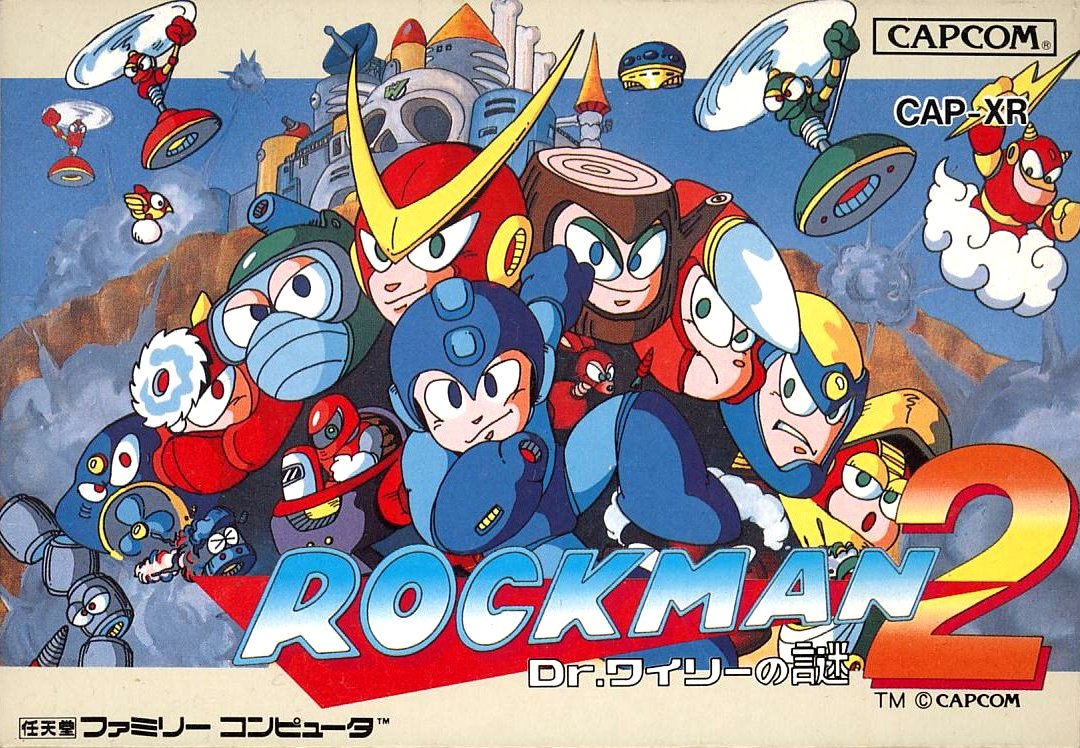
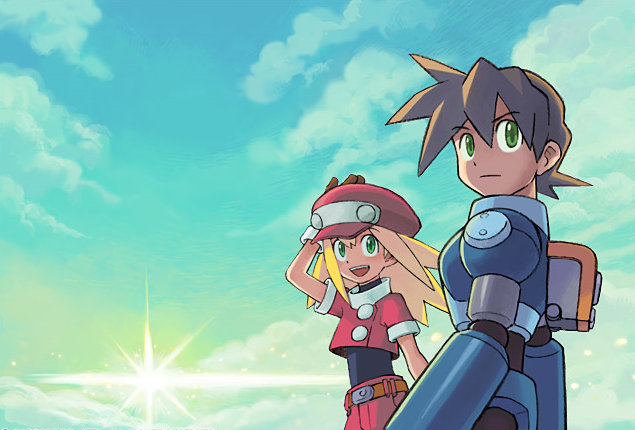
Now there is another game I know that you recently gave up on. The financial risk again seem all too much to bare, and the concept not yet tested proven to be a financial success. I also know all too well that you have given up on it months ago, and only announced it officially recently in hopes that fan flames will have died down in the passing time. But it is a game the developers saw real promise. It is a game that has a lot of support. And it is a game who's core designs and concepts also sparked a light to those who gave it a chance. Maybe It would be wise to take a page out of your company's playbook history and give a another chance? The sky's the limit on the possibilities it may bring.
Sincerely,
a Customer
a Customer
 RSS Feed
